EPC Best Practices
Bucharest Villa Solar + Storage: 10.12 kWp Hybrid PV-ESS
How a 10.12 kWp hybrid PV + battery system for a Bucharest villa works: 460 Wp N-TOPCon modules, a 10 kW hybrid inverter and LFP storage for the evening peak.
Solar production peaks around midday, when a typical household is lightly loaded; household demand peaks in the evening, after sunset. A hybrid PV + battery system bridges that gap by storing surplus daytime generation and releasing it after dark, instead of buying the evening peak back from the grid. That is peak shaving and load shifting in everyday operation.
This article reports on site inspection for a 10.12 kWp hybrid PV + ESS (photovoltaic plus energy storage) system designed for a villa in Bucharest, Romania. It covers the one problem the system has to solve — using daytime solar to carry the evening household load — why that matters for a grid-connected home, and what to verify before building a similar PV + ESS system.
Under Romania's prosumer framework, a correctly sized hybrid system raises self-consumption and cuts the volume of energy bought from the grid at peak tariff periods. By the end you should be able to judge whether a PV + ESS hybrid makes sense for a villa like this one: how module, inverter and battery are matched, how the DC/AC ratio and storage capacity are designed against the load curve, and which site checks separate a system that genuinely shifts the evening peak from one that is merely grid-connected hardware.
The Bucharest Site and the Load Problem
The villa sits in Bucharest, in a temperate continental climate with hot summers and cold, overcast winters. Annual horizontal irradiation is moderate but usable — around 1,300 kWh/m² (within the 1,200-1,400 kWh/m² band, about 3.8 kWh/m² per day) — enough to support healthy residential generation, with a clear seasonal swing between short winter days and long summer days.
The property connects to Bucharest's low-voltage (LV) distribution network. Grid connection follows the EU Type-B requirements for distributed generation on LV networks (EN 50549-1); the hybrid inverter carries EN 50549-1 and VDE AR-N-4105 compliance. Because winters are overcast, a grid-connected self-consumption design with storage fits the load curve better than a pure export design: solar is consumed locally first, surplus is stored, and the evening peak is met by the battery rather than the grid.
10.12 kWp Hybrid PV + ESS System Overview
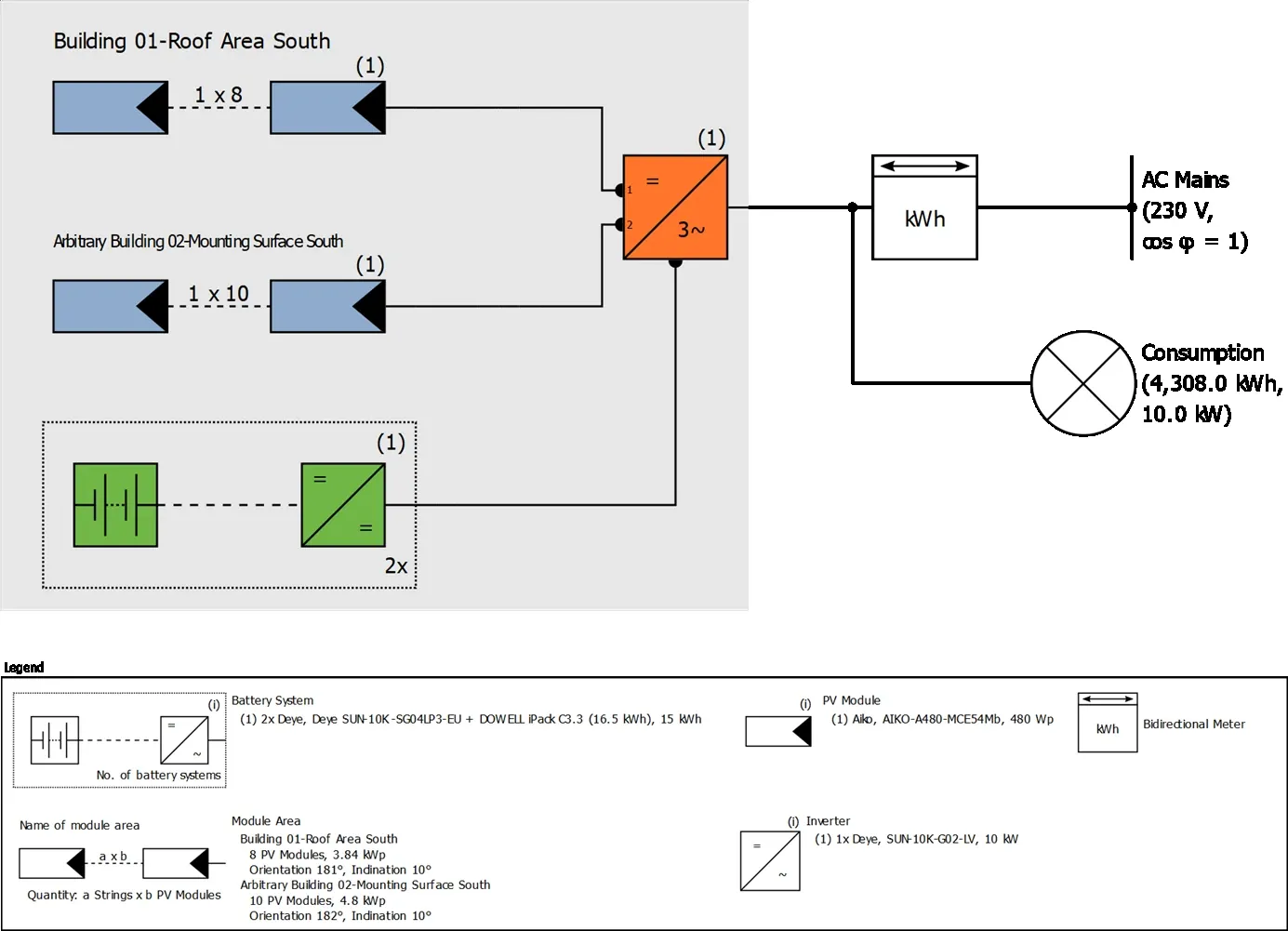
The system pairs a 10.12 kWp array with a 10 kW hybrid inverter and two battery units, so that storage can carry the evening load. Generation, storage and grid exchange are managed by a single inverter. Key boundary conditions are listed in the table below.
Project Scale and Boundary Conditions
Parameter | Value | Note |
|---|---|---|
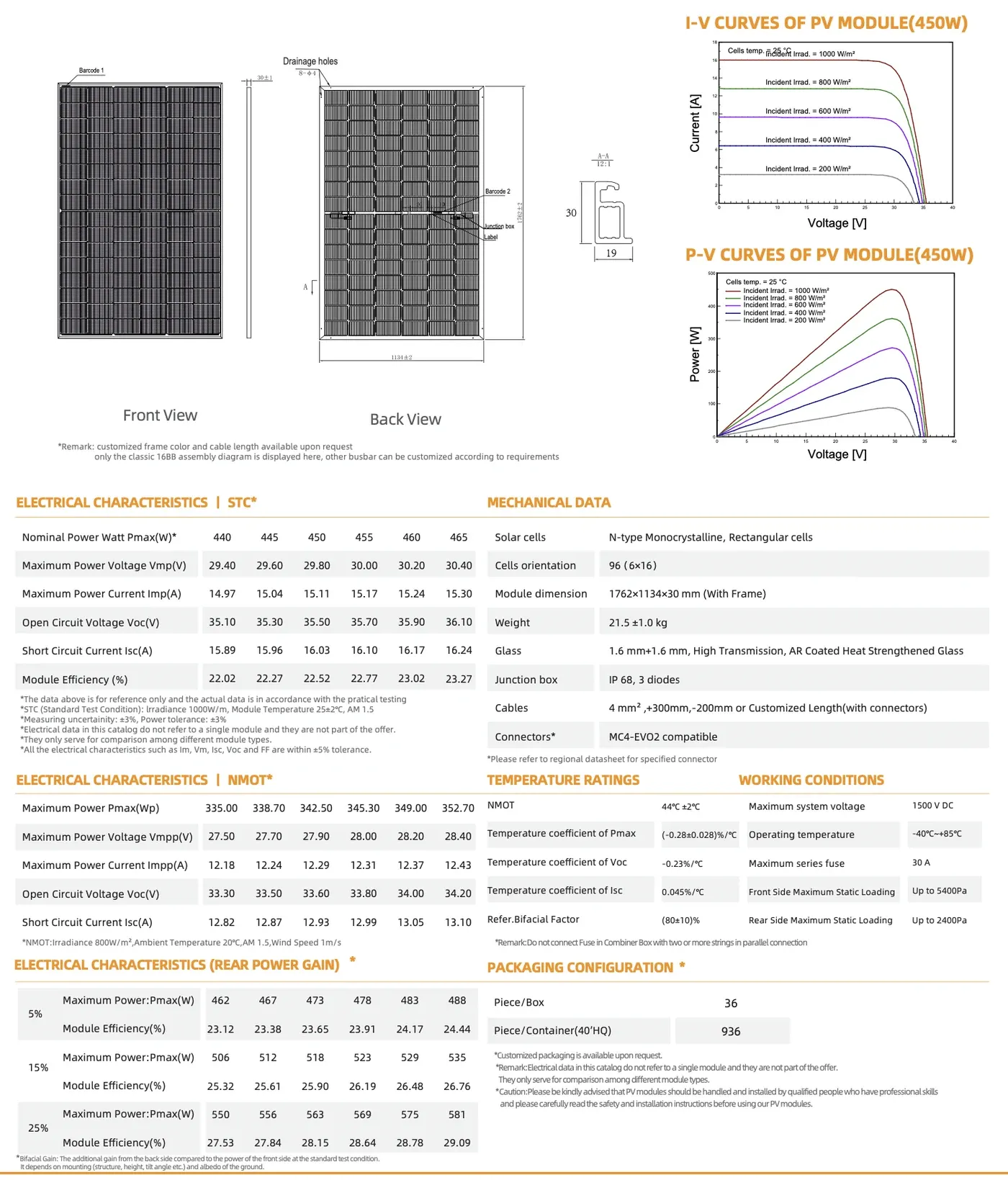
PV capacity | 10.12 kWp | 22 × 460 Wp N-TOPCon modules |
Module | 460 Wp N-TOPCon | N-type half-cut bifacial double-glass, PU composite frame |
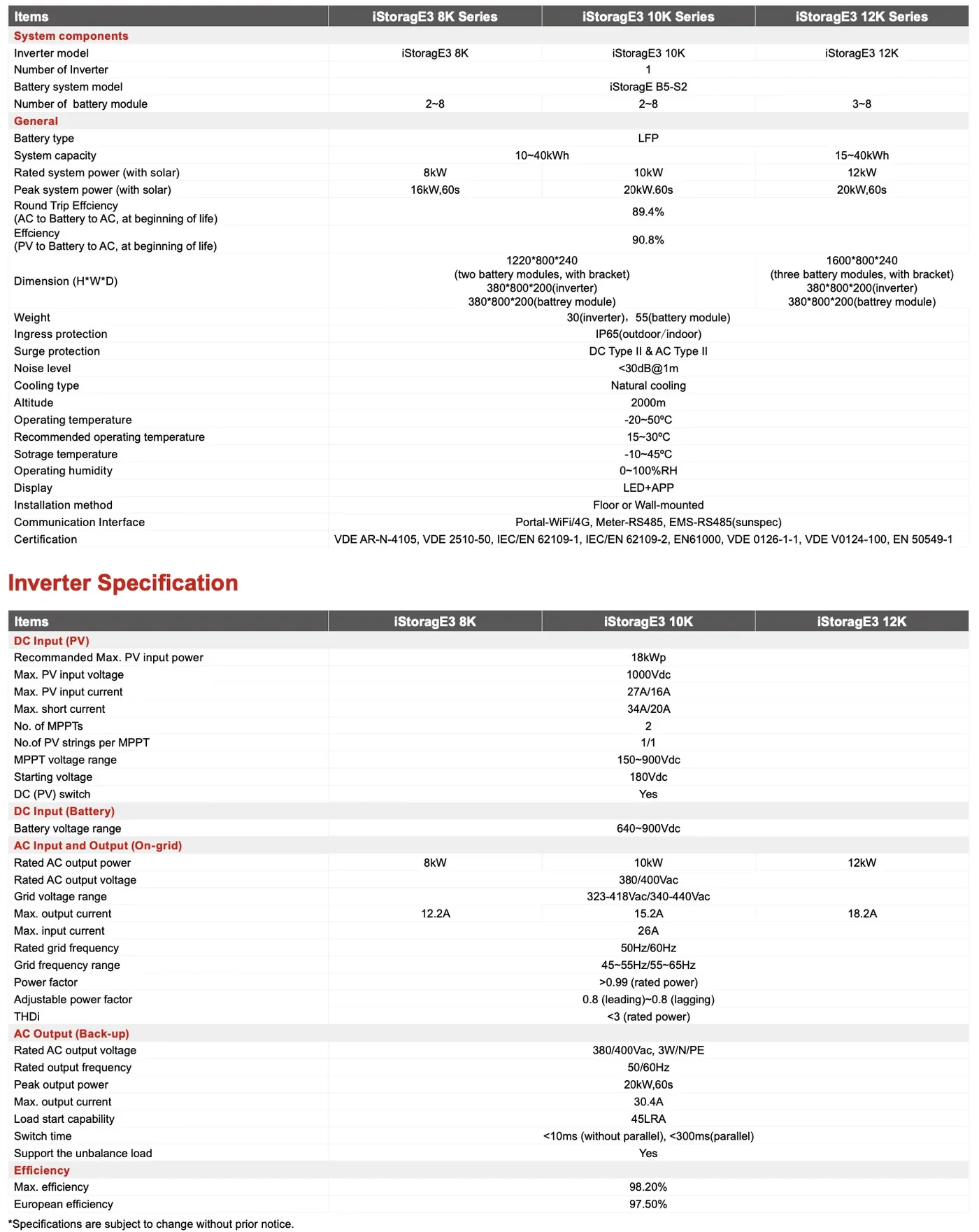
Inverter | 10 kW hybrid (iStoragE3 10K) | 10 kW rated grid-tied AC output |
Battery storage | LFP, 2 units | System expandable 10-40 kWh |
Peak backup power | 20 kW (60 s) | Backup AC output for critical loads |
Round-trip efficiency | 89.4% / 90.8% | AC→battery→AC / PV→battery→AC (beginning of life) |
DC/AC ratio | ≈1.01 | 10.12 kWp against 10 kW rated AC |
Operating mode | Peak shaving / self-consumption | Daytime PV → evening load |
Grid | Low-voltage grid-tied | EU Type-B, EN 50549-1 |
The 460 Wp Module: Sized for a Villa Roof
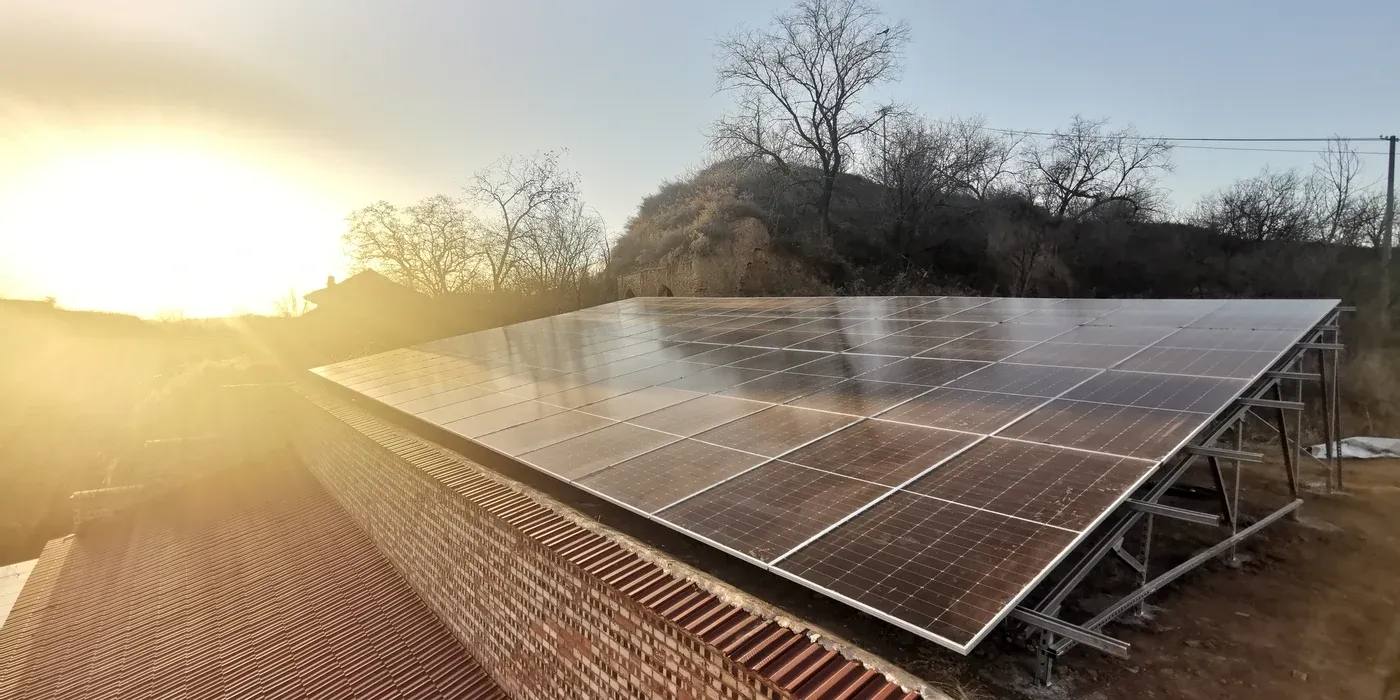
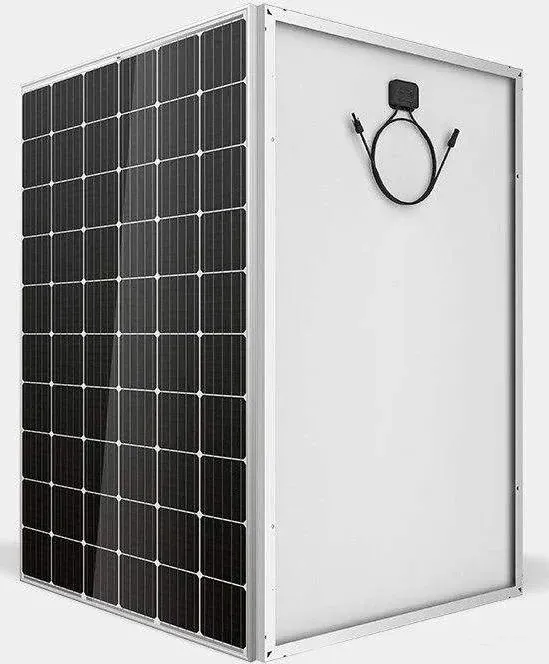
The array uses 22 × 460 Wp N-TOPCon half-cut bifacial double-glass lightweight modules. At the 460 Wp power class the module delivers a rated 23.02% efficiency in a 1,762 × 1,134 × 30 mm frame at just 21.5 kg — a compact envelope suited to a villa roof.
The N-type TOPCon half-cut design, 1.6 mm + 1.6 mm high-transmittance glass and PU composite lightweight frame were chosen for roof service: the module operates from -40 °C to +85 °C, carries a 1,500 V system voltage rating, and bifacial generation can add rear-side yield where roof conditions allow.
Drone Site Survey Before Design
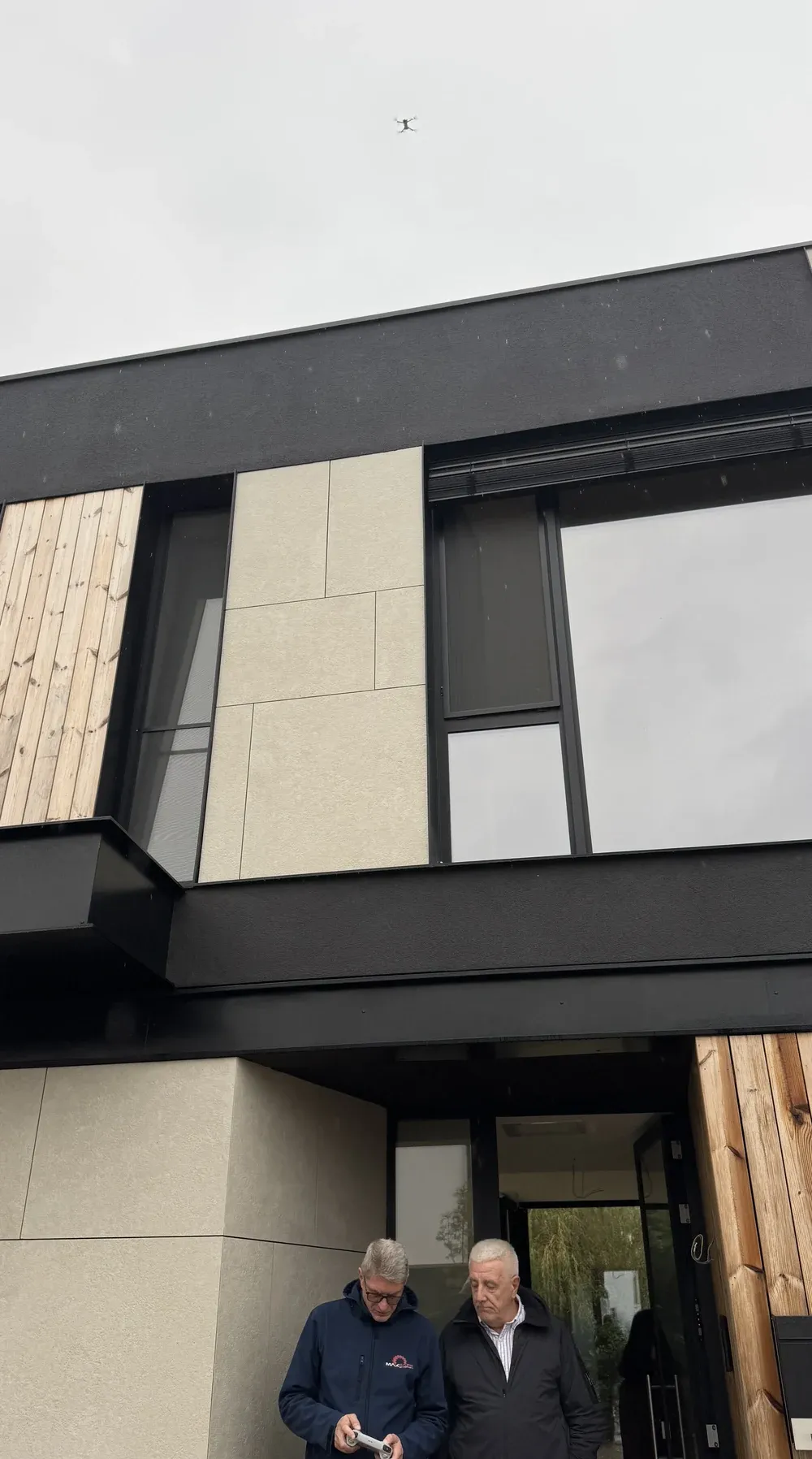
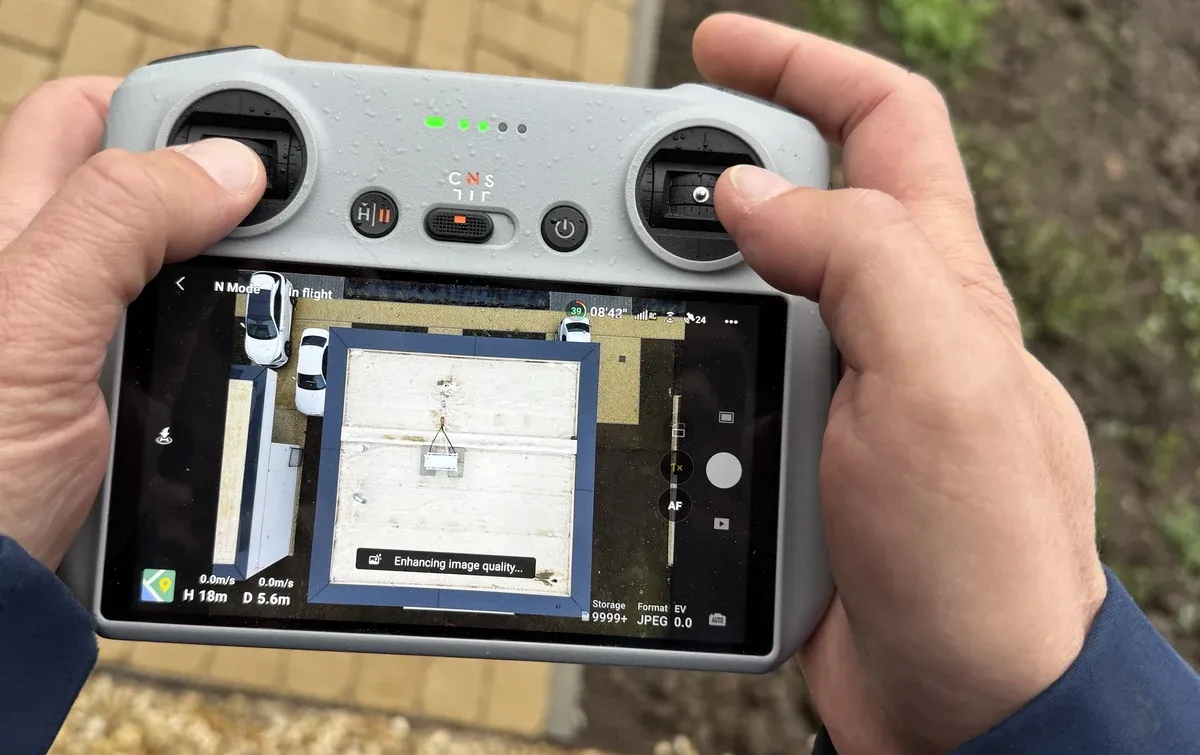
Before installation, the roof and layout are assessed on site. The two figures below show two sides of that check: the drone hovering above the villa while the installer operates the controller from the ground, and the live aerial feed the pilot sees on the controller screen.
The aerial survey confirms roof orientation and pitch, obstructions and shading, and the usable area for each string — the inputs that decide module layout, string arrangement and a realistic yield estimate before a single module is fixed in place.
10 kW Hybrid Inverter
Conversion and energy management are handled by the iStoragE3 10K hybrid inverter. It provides 10 kW rated grid-tied AC output and up to 20 kW of peak backup power for critical loads over 60 seconds, with a transfer time under 10 ms — so a grid outage does not leave the house dark.
Its two MPPTs accept up to 18 kWp of recommended maximum PV input at up to 1,000 V DC, covering the 10.12 kWp array comfortably; battery DC input range is 640-900 V DC. Peak efficiency reaches 98.2% with European efficiency at 97.5%, current harmonics below 3% at rated power, and the unit carries EN 50549-1, VDE AR-N-4105 and IEC/EN 62109 compliance.
Against a 10 kW AC rating, the 10.12 kWp array gives a DC/AC ratio of about 1.01 — inside the recommended input window, so the array is neither undersized nor the inverter overloaded.
Battery Storage
Storage is provided by two lithium iron phosphate (LFP) battery units. On the iStoragE3 10K platform the system capacity expands from 10 to 40 kWh; for this villa two units are specified, so stored PV energy can comfortably cover the evening peak load.
Round-trip efficiency is 89.4% (AC to battery to AC) and 90.8% (PV to battery to AC, beginning of life). Battery DC input range is 640-900 V DC, units are rated IP65 with natural cooling, and they can be floor or wall mounted. The battery parameters above come from the iStoragE3 10K system specification; the model listed in the bill of materials is MOON16-G Pro.
Full Bill of Materials
The system was specified before installation as one matched package — modules, mounting, AC distribution, inverter, battery, cable and connectors — so the hardware is procured together rather than assembled from whatever was cheapest on the day. The bill of materials below excludes pricing.
No. | Item | Model | Qty | Unit | Note |
|---|---|---|---|---|---|
1 | N-TOPCon module | ZNShine solar 460 Wp (460 Wp / Vm 30.2 V / Im 15.24 A / 1762×1134×30) | 22 | pcs | 460 Wp |
2 | Mounting | — | 1 | set | |
3 | AC distribution (incl. surge protection) | POPENE 220 V 100 A (auto breaker) | 1 | unit | |
4 | Inverter | iStoragE3 10K | 1 | unit | 10 kW |
5 | Battery cabinet | MOON16-G Pro | 2 | units | 16 kWh |
6 | DC cable | PV1-f 4 mm² | 200 | m | |
7 | MC4 | YT18-01 connectors | 4 | sets | |
Grid Connection and EU Compliance
For distributed generation on a low-voltage network, grid connection follows the EU Type-B requirements for generating units. The iStoragE3 10K meets EN 50549-1 compliance (parallel operation with an LV distribution network) and also carries VDE AR-N-4105 and IEC/EN 62109, covering inverter and storage safety.
The connection terms — whether full or surplus export applies, and any net metering arrangement — should be confirmed with the local distribution operator against the actual household load before the system is specified.
How the Hybrid System Operates
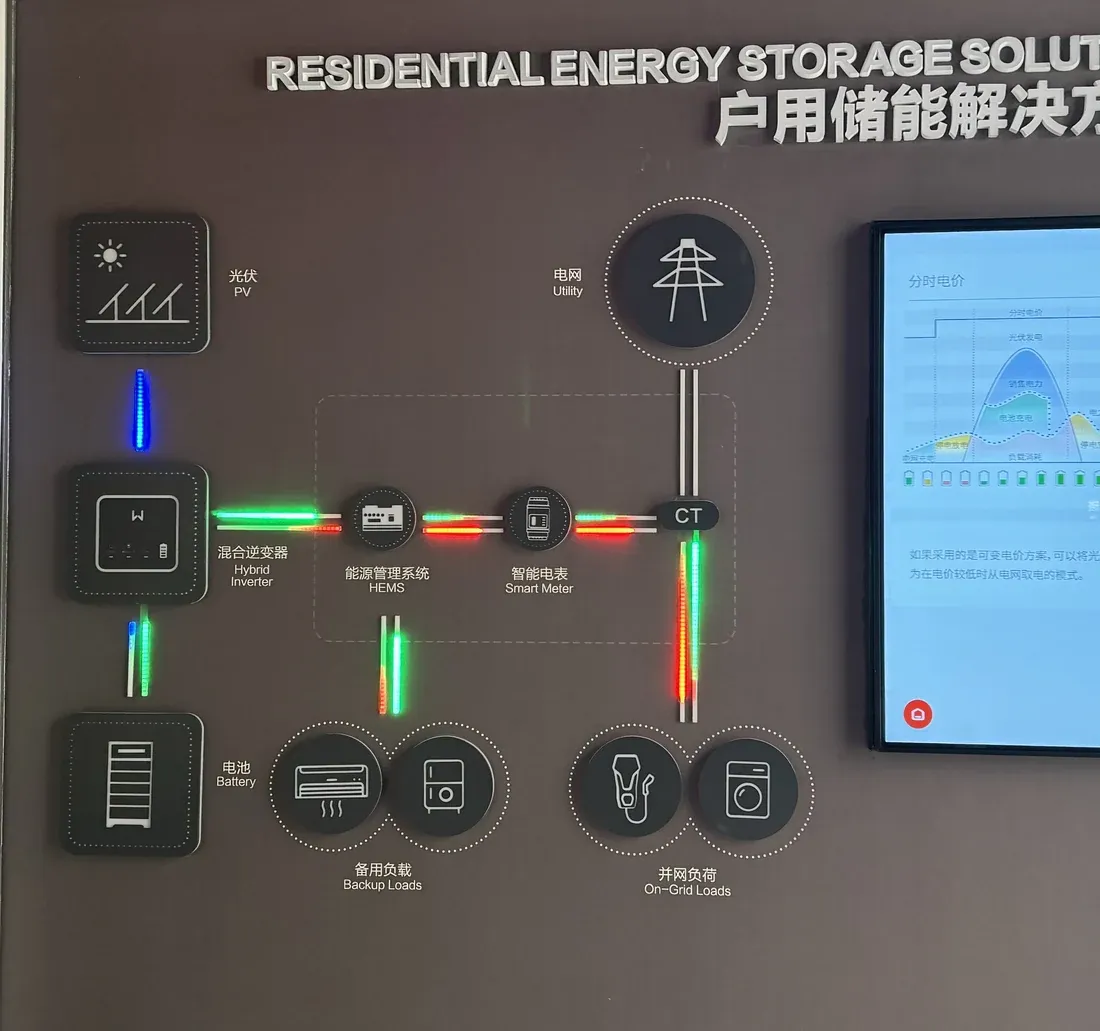
During the day the array supplies the house first. Once household demand is met, surplus solar charges the battery, and any remainder is exported to the grid. When household load peaks in the evening, the battery discharges to carry it — shifting daytime solar into the evening and cutting grid purchases during the peak period.
If the grid fails, backup output takes over within 10 ms, supplying critical circuits at up to 20 kW. The system topology is shown in Figure 5.
How POP Energy Approaches This Project
For POP Energy, the module and inverter are only part of the delivery. A hybrid system that genuinely shifts the evening peak comes out of design decisions: how the array is sized against the household load curve, how the DC/AC ratio and battery capacity are matched to that peak, how each string is arranged after on-site (including aerial) verification, and how every step is checked before the next begins.
POP Energy's track record — supplying PV-ESS systems for the 2022 FIFA World Cup and building PV hybrid systems for the 2022 Beijing Winter Olympics — rests on doing exactly that on every project, from residential to utility scale. Hardware parameters matter, but service carries more weight: complete scheme design, matched equipment selection, standardized installation control, on-site technical guidance and staged acceptance are what turn a datasheet into a hybrid system that reliably carries the evening peak across its full design life.
Key Takeaways for PV + Storage Projects
Match the DC/AC ratio to the inverter. On the iStoragE3 10K, a 10.12 kWp array against a 10 kW AC rating holds the ratio at about 1.01 — inside the recommended window, so the array is fully used without overloading the inverter.
Size storage for the evening peak, not the whole day. Storage that covers the evening peak delivers real peak shaving; oversizing only adds cost and stranded capacity.
Prefer high round-trip efficiency LFP. Around 89% AC round-trip efficiency means more of the stored solar comes back out when you need it.
Survey the roof before designing. Aerial site survey confirms orientation, shading and usable area, which drive string layout and a realistic yield estimate.
Connect to grid per EU requirements. EU Type-B generating units on LV networks fall under EN 50549-1; the iStoragE3 10K carries EN 50549-1 and VDE AR-N-4105 compliance.
Plan for backup. A hybrid inverter with sub-10 ms transfer and 20 kW peak backup keeps critical loads running through a grid outage.
Frequently Asked Questions
Is battery storage worth it for a grid-connected villa, or is solar enough?
If your evening peak is the most expensive part of your daily consumption, storage is precisely what lets daytime solar carry that peak. A hybrid system raises self-consumption and cuts grid purchase during peak tariff periods, whereas a pure export system simply sells surplus daytime energy back at the tariff rate — and Romania has already seen negative prices, so that is not a reliable income assumption.
How is battery capacity sized?
Size by the evening peak load, not by the array. Storage is designed around how much the household consumes after dark, so the battery is neither oversized (idle cost) nor undersized (grid still carries part of the peak).
What happens when the grid goes down?
The hybrid inverter switches to backup output within 10 ms, supplying critical circuits at up to 20 kW and keeping essential loads running until the grid returns.
What is required for grid connection in Romania?
For distributed generation on low-voltage networks, connection follows the EU Type-B requirements under EN 50549-1. Terms such as full or surplus export, and any net metering arrangement, should be confirmed with the local distribution operator against your actual load.
Which specifications should be checked before selection?
Module efficiency, dimensions and temperature range; inverter AC rating, MPPT count and DC/AC window; and battery round-trip efficiency and capacity — each measured against your roof and your evening peak, not against a generic specification sheet.
Planning a PV + ESS System in Bucharest
If you are considering a hybrid PV + storage system for a villa in Bucharest, let the load curve — not a generic specification — drive the design. Send us your household load profile and site details and we will check array sizing, inverter DC/AC ratio, storage capacity and string layout against your actual situation — request a design review and we will return a configuration that fits your site.