Oct 31, 2026EPC Best Practices
Solar Clamp Washer Orientation: Why Modules Detach in High Winds
An inverted curved washer cannot store preload, so clamp force fails. Torque is 20 N·m for inner clamps — here is why this detail decides plant safety.
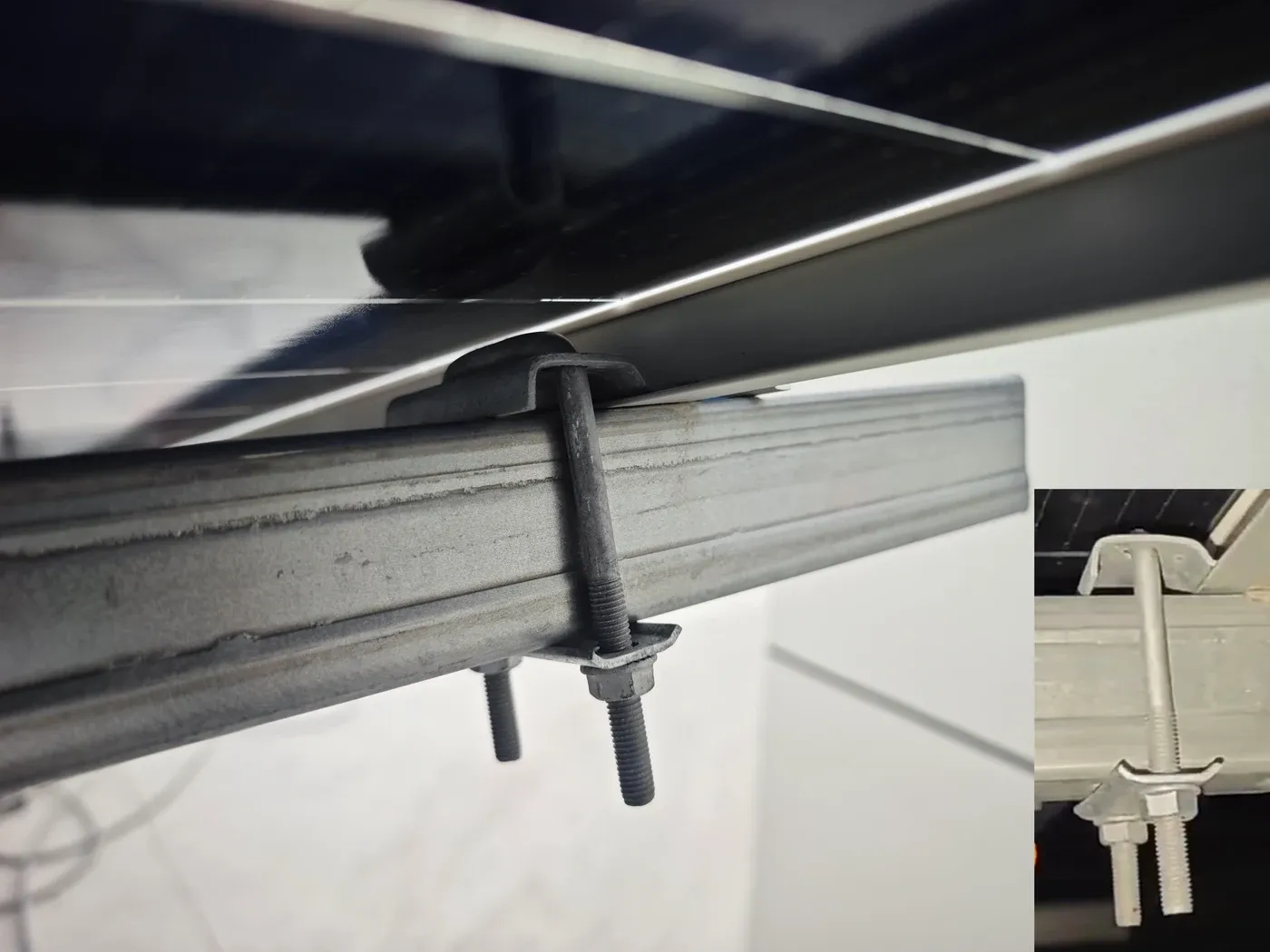
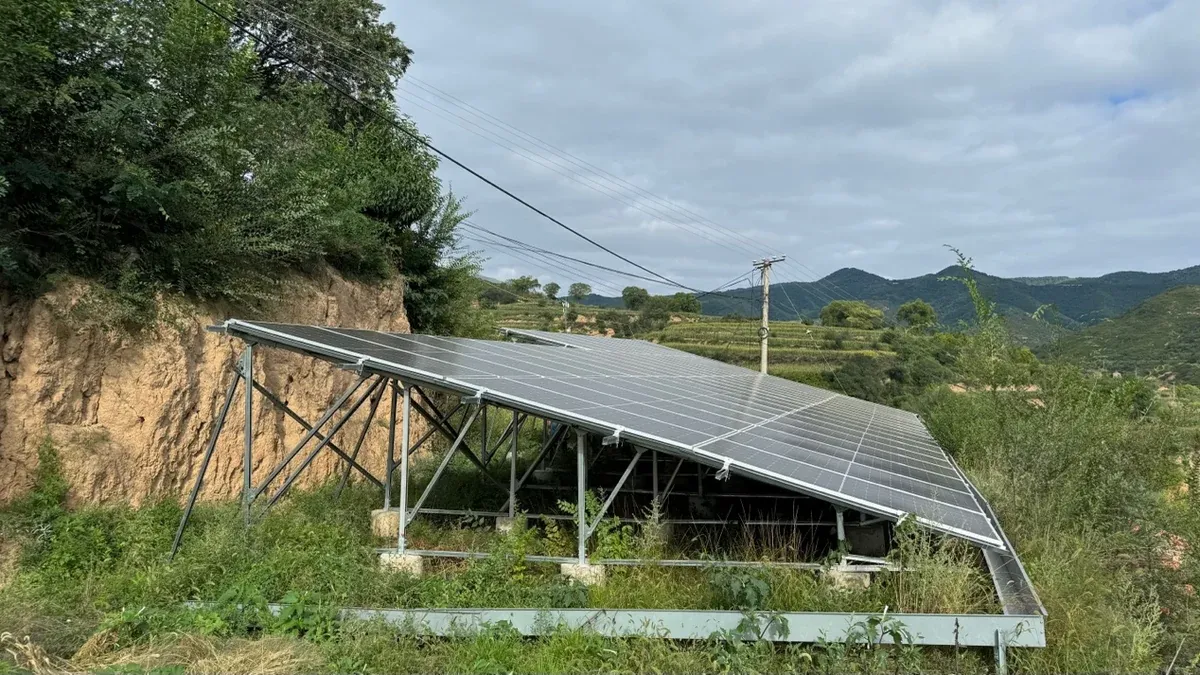
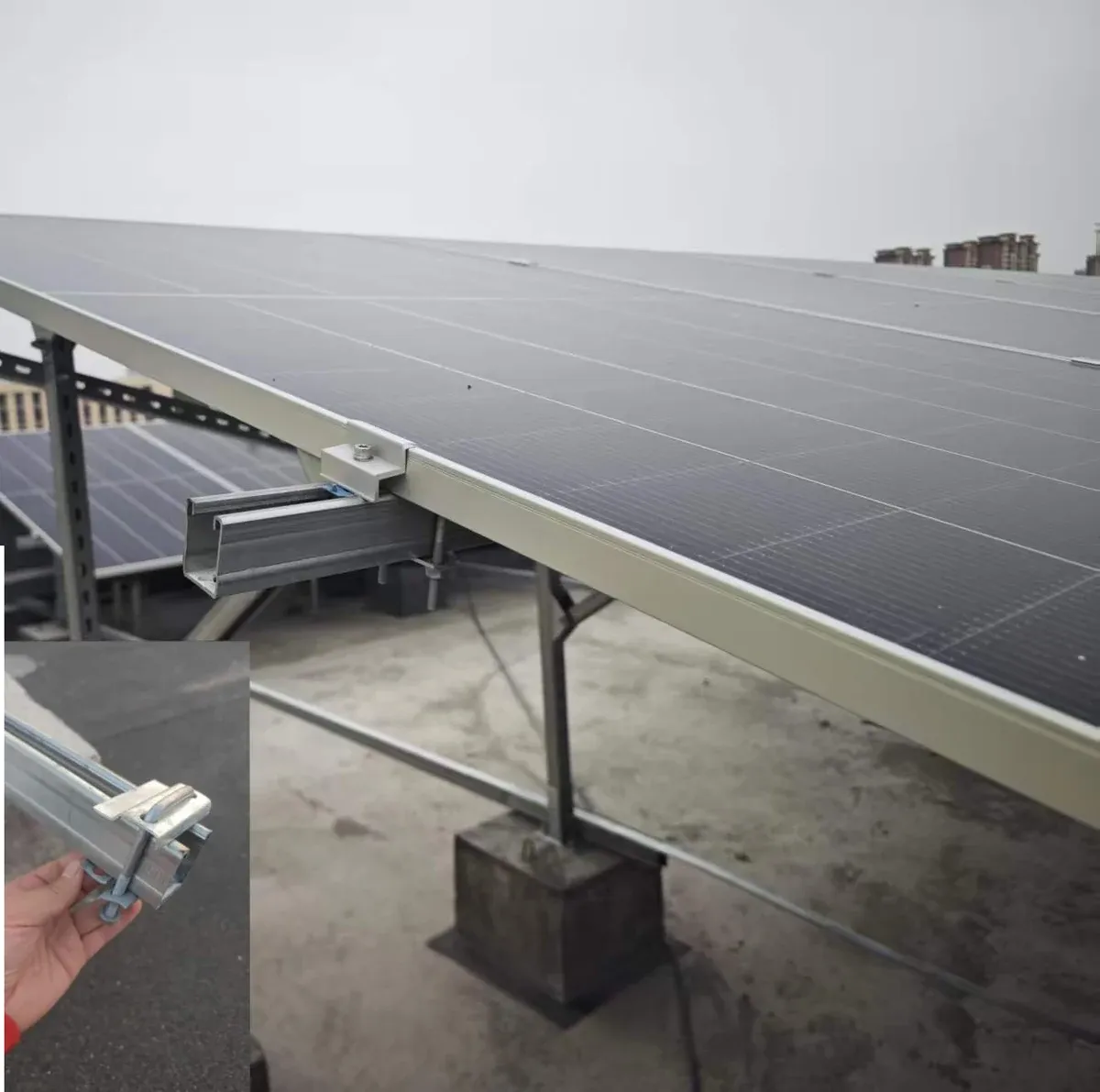
Commercial and industrial BIPV solar projects in China typically use a hot-dip galvanized carbon steel inner clamp mounting system, with Dacromet-coated fasteners can meet the 25-year design life of a solar plant.
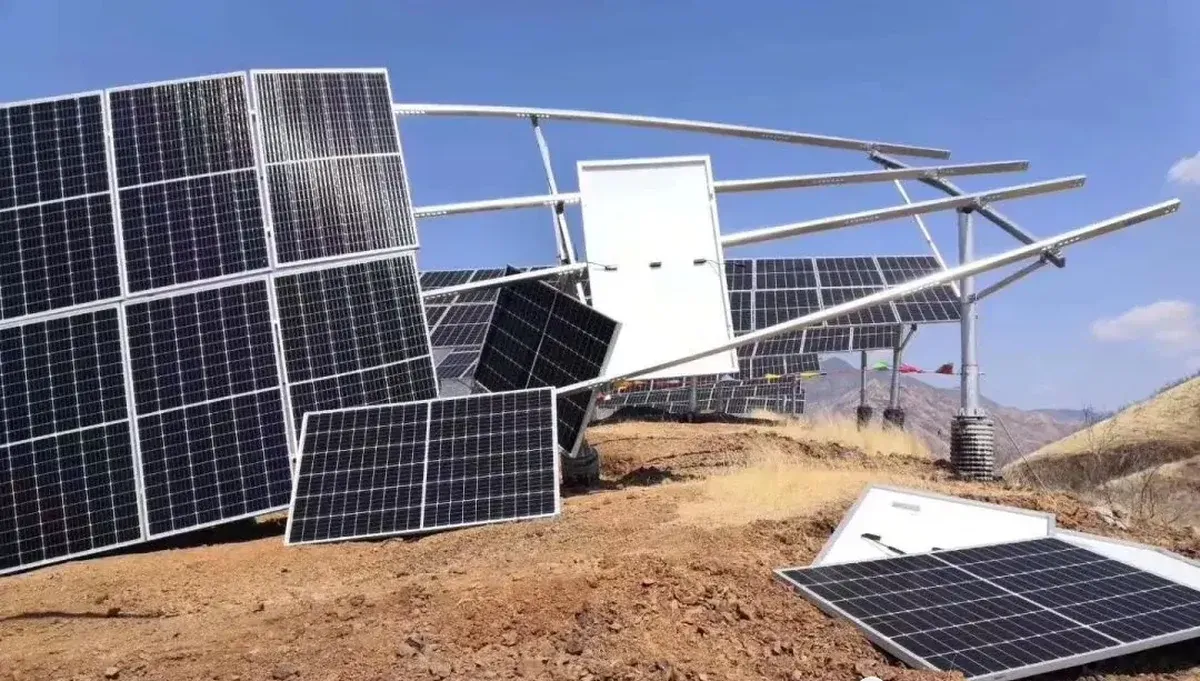
Yet the industry shares a common set of problems: installation that does not follow the structural design, work carried out purely on experience, and standard torque not applied. These are the core causes of solar module detachment during high winds and typhoons.
How the Curved Washer Is Supposed to Work
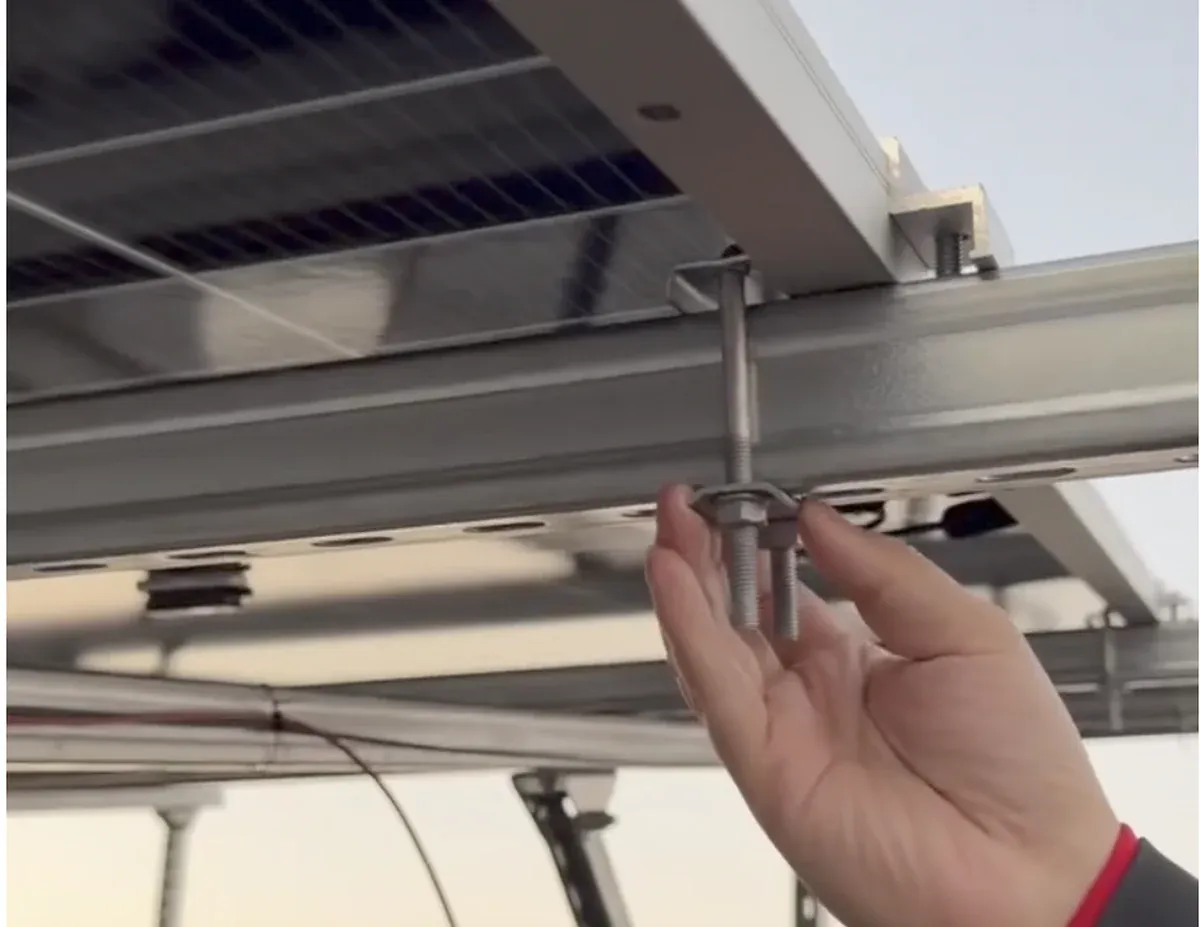
The load-bearing component in this detail is the curved elastic washer. The factory design requires the arc surface to face downward.
Under bolt preload the washer undergoes controlled elastic deformation. That converts line contact into stable surface contact and stores elastic pre-stress long term, offsetting the stress relaxation caused by temperature cycling and material degradation over the plant's life.
What Reverse Installation Does
A large share of on-site work installs the washer with the arc surface facing upward. The force path then departs completely from the design model. No effective elastic energy storage forms, and the washer enters plastic deformation prematurely.
Plastic deformation is irreversible, so the clamp holding force fails quickly. Even where the bolt looks fully tightened, actual preload is seriously insufficient. In extreme cases the bolt can be loosened by hand.
The Torque Specification
Industry standards require the fastening torque on solar clamp bolts to reach 20 N·m for inner clamp bolts — the case shown here. Non-professional crews routinely over-tighten by force, tighten arbitrarily, or skip torque control altogether.
Under high wind in Hebei and typhoon conditions on the southeast coast, a defective detail cannot resist the alternating wind load. The result is entire modules tearing away and structural damage to the plant.
Torque Values by Connection Type
Torque requirements differ by the connection being made. Torque requirements differ by connection:
20 N·m — module inner clamp bolts (the case in this article)
25 N·m — steel structure connections, posts and diagonal bracing (per drawings)
14–20 N·m — aluminum mid clamps, end clamps and aluminum rail T-bolts (standard application)
Why a Small Part Decides Plant Safety
The installation precision of a minor mounting accessory determines the full-lifecycle safety of the plant. Formal EPC construction has to rest on a standardized system.
POP Energy maintains complete product design documentation, standardized construction procedures, dedicated training for project management staff, full on-site technical guidance, and a standardized customer acceptance process — avoiding mechanical installation defects at the source and keeping the solar system stable, safe and efficient over the long term.
Checking an Existing Installation
If you are auditing a rooftop array, inspect the inner clamps: the arc surface must face down, and the bolt must be torqued to the figure for that connection type rather than tightened by feel. Module detachment in typhoon zones frequently traces back to this detail. Request a clamp installation review and we will check the washer orientation, torque values and clamp layout against the structural design.