Oct 31, 2026EPC Best Practices
Ultra-Large Solar Module Deformation on Low-Slope Rooftops
Oversized solar modules hit container limits, but two-rail mounting cannot carry them on low-slope C&I roofs. What deformation does, and how EPC prevents it.
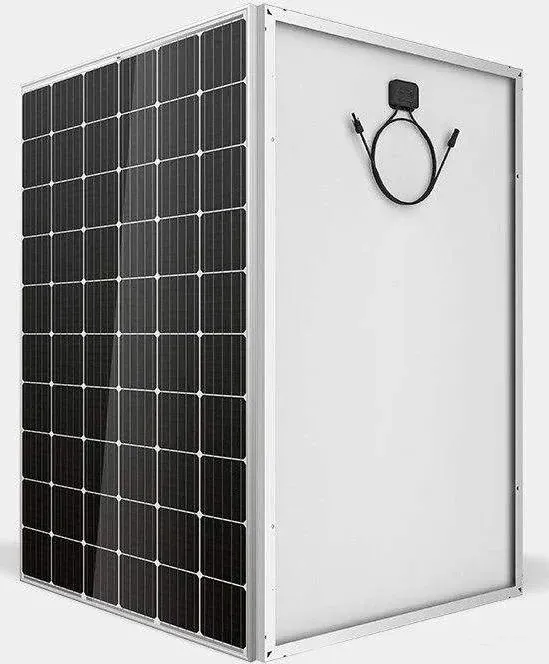
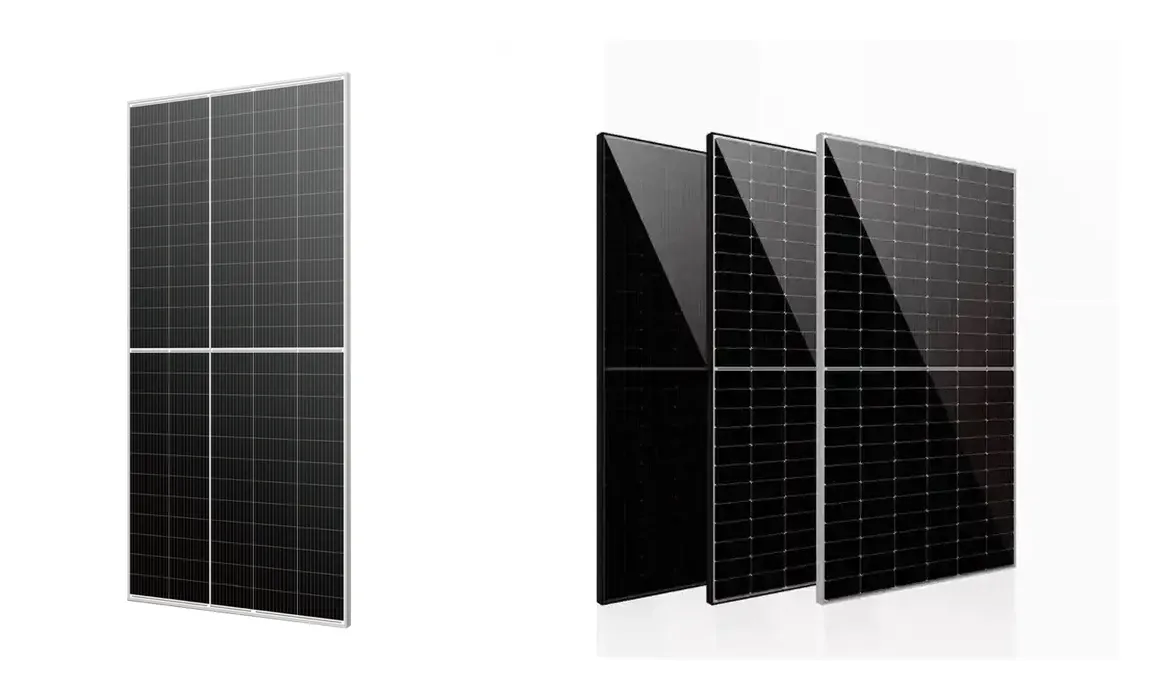
Ultra-large solar modules are now standard in commercial and industrial rooftop work. The 2278 x 1134 x 30 mm format at 30.9 kg and the 2384 x 1303 x 33 mm format at 38.3 kg have reached the physical loading limits of a 40ft high-cube container.
In the early years of the PV industry, both silicon feedstock and end markets sat overseas, so module length, width and thickness were designed around international container shipping standards. Module sizes have now been pushed to the edge of what industrial handling allows.
Why Two Rails Are Not Enough on a Low-Slope Solar Roof
Many installation crews and small contractors ignore the structural adaptation logic entirely. They install fast and adapt the racking on site, which is why deformation problems are now widespread on commercial and industrial solar rooftops.
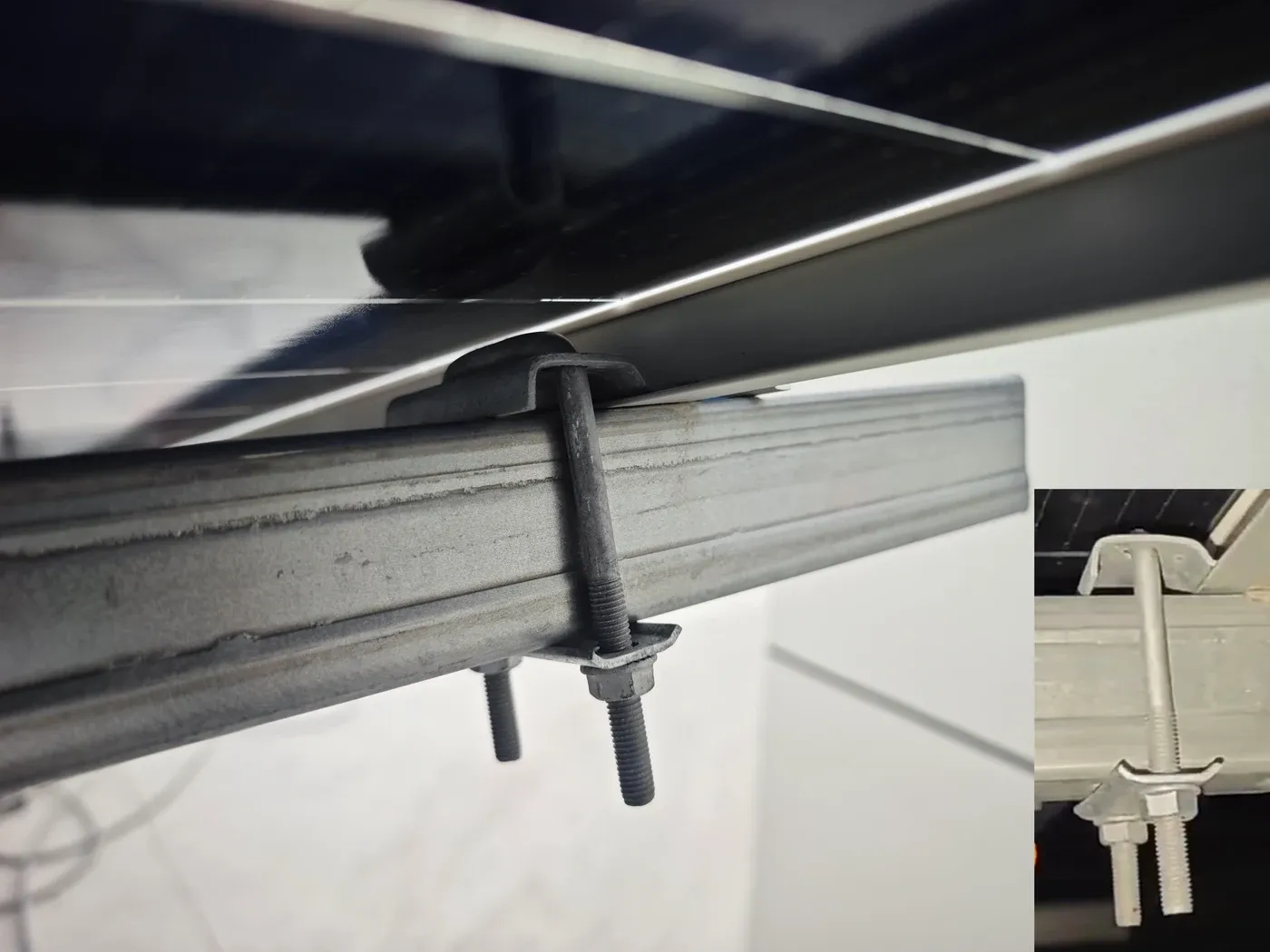
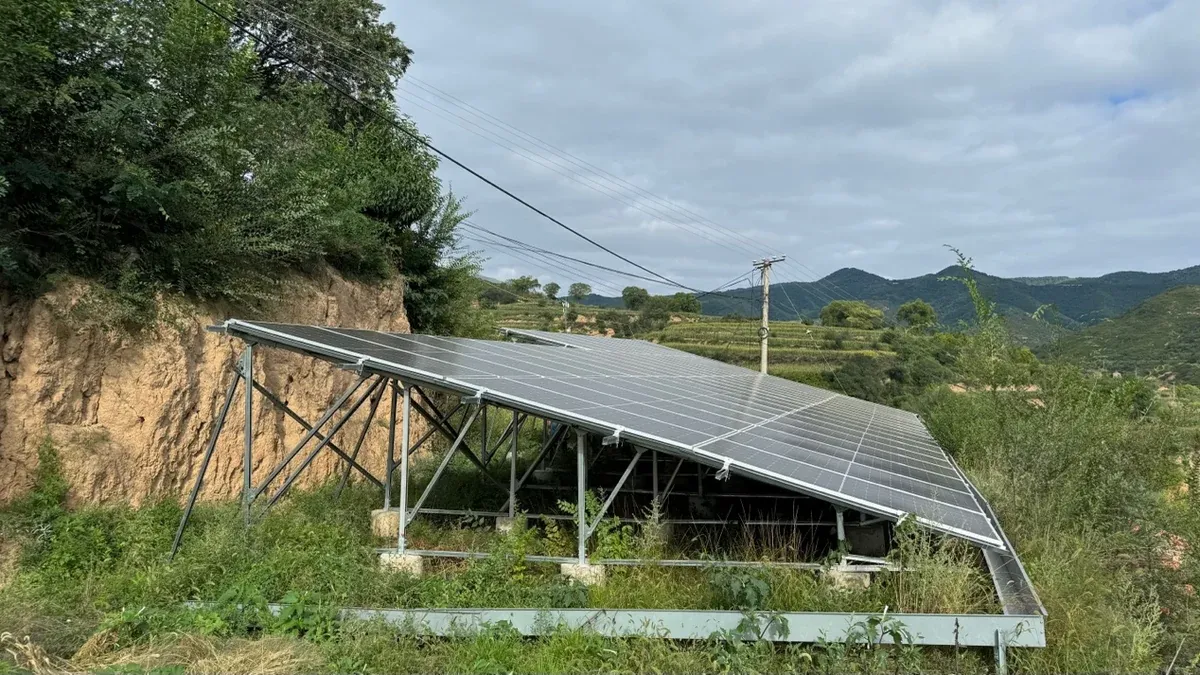
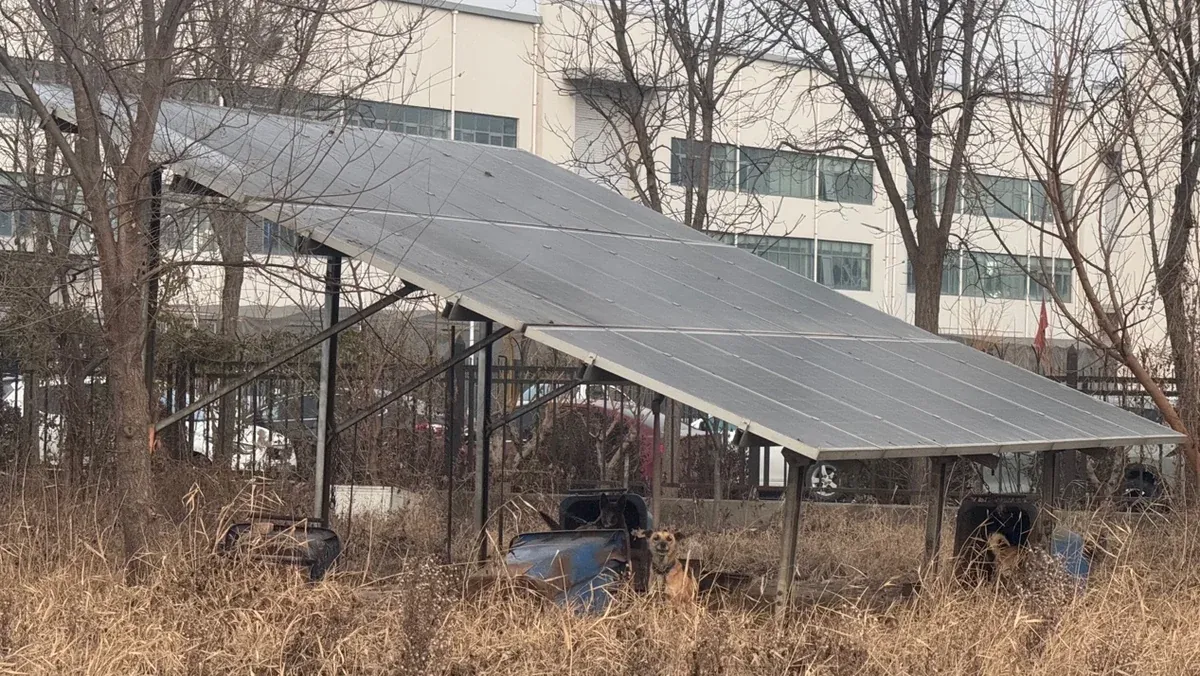
Most C&I rooftops have a shallow pitch. When an ultra-large module is installed on a simple two-rail support in this wrong way, the load path does not match the module stiffness. The long edge sags, panel deflection exceeds limits, and the whole array develops a wave-like profile that is visible to the naked eye.
This is not a styling question and it is not acceptable craftsmanship. It is a typical structural defect. The glass sags across a large area, flatness is lost, and rainwater can no longer drain naturally, so water pools and stays.
Dust, sediment and impurities settle into the depression, forming stubborn spot and area soiling that is hard to clean and becomes permanent. Light transmission and power generation efficiency fall with it.
The Mechanical Consequence
Continuous deformation keeps the glass, encapsulant film and frame under abnormal stress. Across day-night temperature cycles, micro-cracks keep propagating, which greatly raises the risk of delamination, moisture ingress, glass breakage and wind-load detachment.
Many plants barely take shape when viewed from a distance, but look terrible up close. They possess neither architectural aesthetics nor structural safety, and are simply the aftereffects of shoddy engineering.
The larger the module, the higher the demands on rail layout, support points and structural mechanics verification. Two rails are not a load-bearing system for a panel of this size.
What a Standardized Solar EPC Process Delivers
Delivering appearance, flatness, drainage and structural safety together requires proper structural design and a standardized EPC process. POP Energy runs the full professional loop:
Selection and matching
— module and racking selected together against the actual installation
Structural verification
— structural mechanics calculation plus load and strength checks
Standardized installation
— installation manuals, crew training and on-site technical supervision
Staged acceptance
— every stage checked and signed off before the next one starts
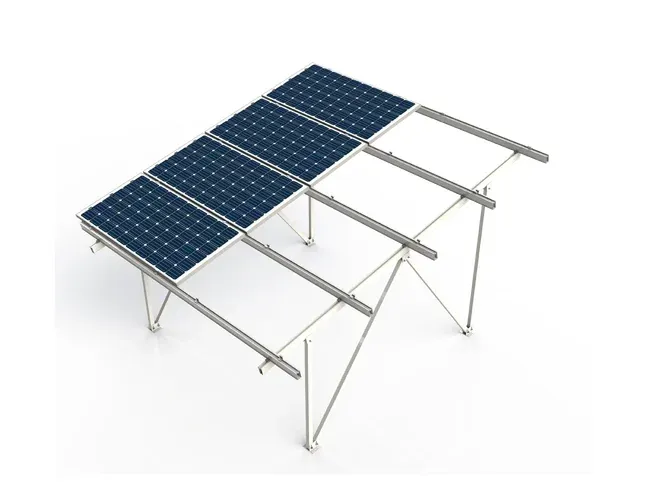
Triple-rail support and long-edge fitting layouts address module deformation, water and dirt accumulation and excessive stress at the design stage.
Why This Matters More for BIPV
In BIPV projects, aesthetics is the visible standard and structural safety is the core baseline. The roof surface is the building envelope, so the array has to be flat, beautiful, durable and safe at the same time.
Only professional design, disciplined construction and standardized EPC management deliver high-quality solar plants that meet all four. Only then does the owner receive long-term, stable, green and reliable clean energy value.
Checking Your Own Solar Roof
Before specifying an ultra-large module on a low-slope roof, send us the roof pitch, the module format you intend to use and the racking layout you have in mind. We will check the support spacing and load path against the module stiffness and tell you where the design needs to change — request a structural review of your solar rooftop layout and we will come back with the support points and rail arrangement that keep the array flat.