Oct 31, 2026EPC Best Practices
Solar DC/AC Ratio Mistakes That Cause Inverter Fires
Raising the DC/AC ratio costs inverter life and plant fire safety. String inverters belong at 1.3, central inverters at 1.1 - here is how to check.
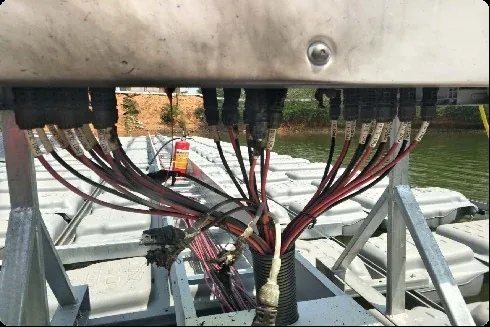
In solar plant design, the DC/AC ratio is a core parameter that determines generation stability, equipment lifespan and fire safety. It is also one of the areas with the most severe construction chaos in the industry.
Many unprofessional installation teams push the DC/AC ratio up in pursuit of headline generation figures, ignoring long-term inverter overload, high-temperature derating and fire hazard. The plant is left carrying a major safety risk.
The Industry Standard Most Teams Ignore
Industry design standards put the conventional DC/AC ratio for string inverters within 1.3, the optimal range that balances generation revenue against equipment safety. Central inverters, because of their large single-unit capacity and high heat dissipation load, are only permitted a safe DC/AC ratio of around 1.1. The string inverter logic must never be copied across to central inverters.
What Goes Wrong in Summer
A large number of poor-quality projects share the same design flaw: the ratio is raised indiscriminately, without distinguishing inverter type or installation scenario.
Under high summer temperatures the module power temperature rise and the irradiance peak stack on top of each other. The inverter then runs in an over-capacity, full-load state for long periods and its body temperature stays above the limit.
Sustained high-temperature operation ages IGBT modules, degrades capacitors and oxidises overheated wiring harnesses. That greatly raises the probability of short circuit, spontaneous combustion and complete equipment burnout, and is the primary cause of fires and equipment write-offs on commercial rooftop solar.
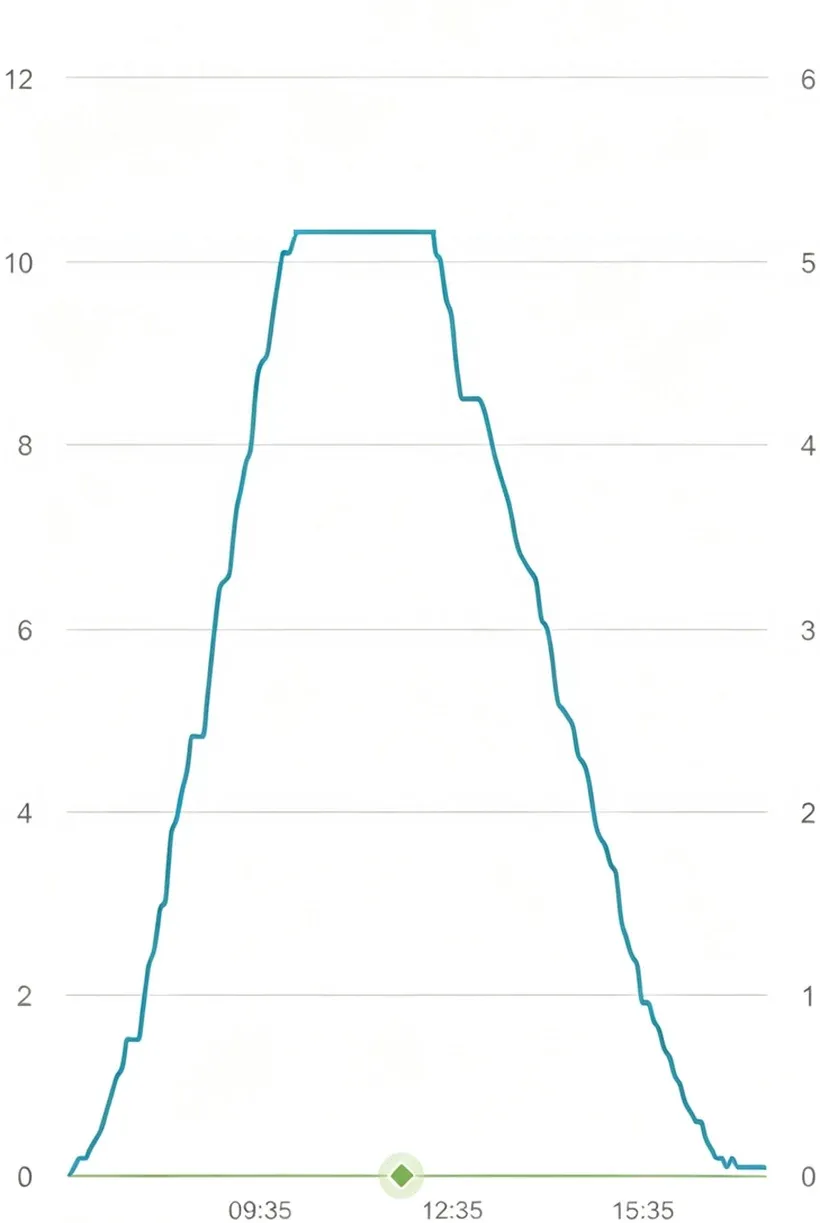
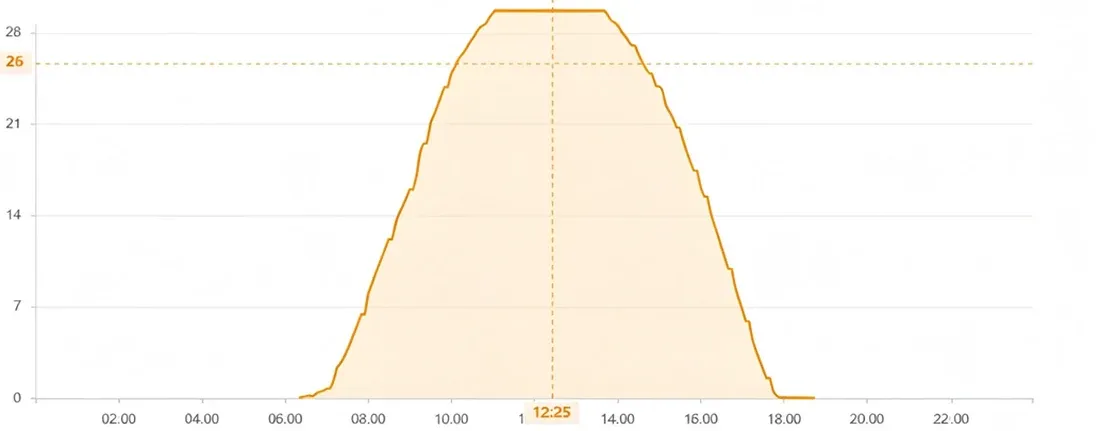
Many small teams look only at the initial installed capacity. They do not understand electrical load matching or the temperature derating principle. It looks like more modules and more generation, but in reality it trades away the inverter's 25-year service life and the plant's fire safety. This is short-sighted construction and non-compliant design.
How POP Energy Designs the Ratio
The core value of a solar plant is long-term stable generation and safe, long-life operation, not short-term paper output. In PV system electrical design, POP Energy differentiates central and string inverter models and matches the standardized DC/AC ratio to each: string inverters are held to the 1.3 safety threshold, central inverters to the 1.1 standard.
Electrical verification — load matching and protective device coordination checked before release
Temperature derating — derating calculated against the site's summer temperature profile
Load simulation — annual output modelled rather than assumed from nameplate capacity
Refined wiring — conductor sizing and routing designed for the real current
Together with complete scheme design, equipment selection matching, standardized construction control and electrical acceptance at commissioning, this closes the design loopholes that the DC/AC ratio problem comes from.
A genuinely professional solar EPC does not stack capacity or chase parameters. It takes structural safety, electrical safety and long-term stability as the core, and uses standardized scientific design to keep every plant running safely for its full 25 years.
Checking a Solar Design Before You Sign
If you are reviewing a rooftop solar design, ask for the inverter model, the module nameplate capacity and the resulting DC/AC ratio, then check it against the figures above. If the ratio is above 1.3 on string inverters or above 1.1 on central inverters, the design needs to be reworked before construction. Request a design review of your solar DC/AC ratio and we will confirm whether the ratio and derating assumptions hold for your site.